
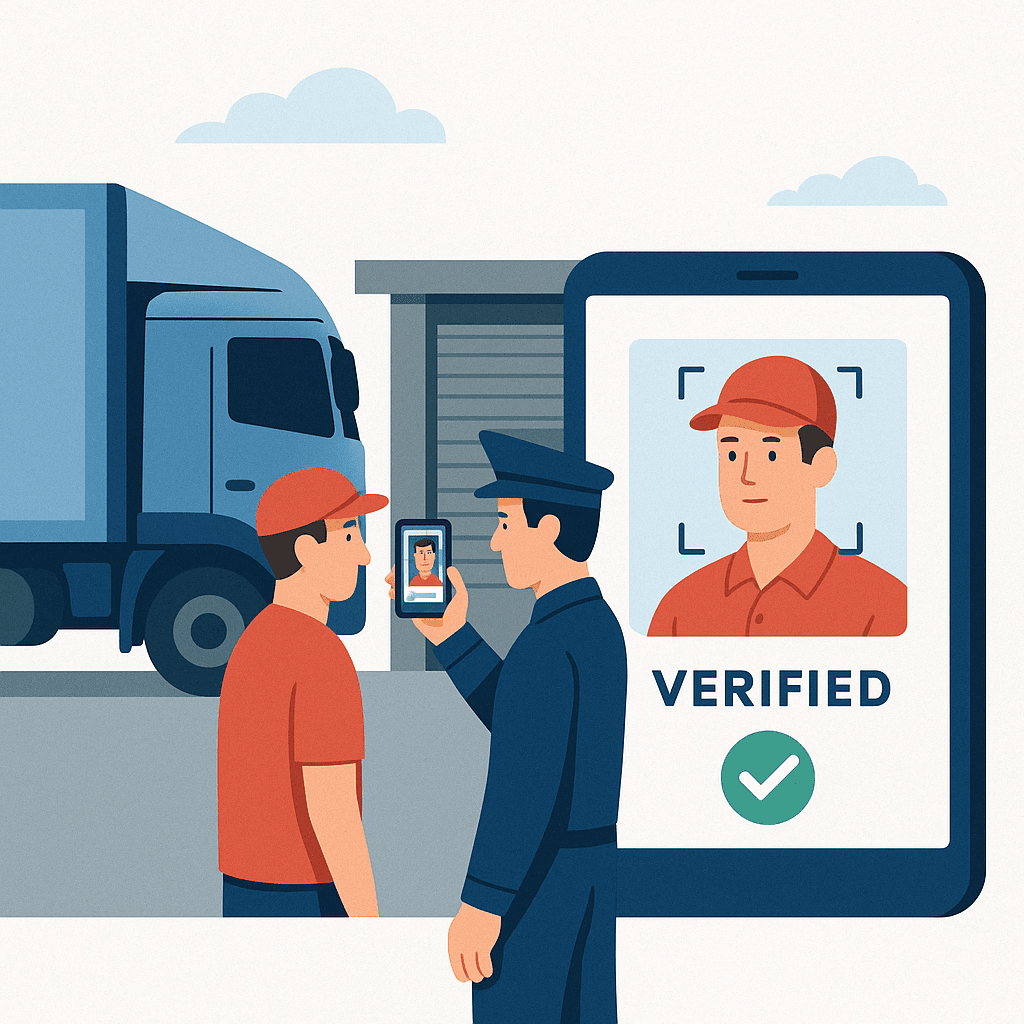
The Critical Vulnerability at Cargo Transfer Points
When a driver pulls up to your warehouse to collect a high-value shipment, do you know with absolute certainty who they are? In a recent CargoNet analysis, 57% of cargo thefts involved identity deception - criminals posing as legitimate carriers or using falsified credentials to gain access to freight. The thieves arrive with seemingly proper documentation, and in less than 30 minutes, your $100,000 shipment disappears into a criminal supply chain. The fundamental vulnerability exists at that precise moment of transfer when verification often amounts to a cursory glance at easily-forged documents.
The Operational Mechanics of Identity-Based Cargo Theft
Here's exactly how these thefts typically unfold: Criminals monitor load boards for valuable shipments, then create shell carriers with minimal verification (a $300 USDOT number and basic insurance documents). They arrive at pickup locations with forged BOLs, counterfeit company IDs, or simply claim to be a "new driver" for a legitimate carrier. Warehouse personnel, pressured by tight schedules and without proper verification tools, release the freight based on matching paperwork. By the time the real carrier arrives or the theft is discovered, the cargo has been offloaded at a secondary location and is untraceable.
Why Traditional Verification Methods Fail
Current verification processes rely heavily on paper documentation, phone calls to dispatchers (who may not be reachable), or basic credential checks against outdated databases. These methods create dangerous blind spots: paper credentials are easily forged, phone numbers can be spoofed, and database checks only verify company information, not the specific driver's identity. Even the FMCSA's registry doesn't provide real-time verification that the person standing before you is the authorized driver for that specific load.
Real-World Impact on Cargo Security Operations
Companies implementing Indemni's visual verification system have seen a powerful deterrent effect: criminals quickly learn that impersonation tactics will fail against biometric checks. Average verification time decreased from 10-15 minutes to just <3 minutes while successfully preventing attempted thefts.
Actionable Steps to Enhance Your Cargo Security:
Audit your current driver verification process for vulnerable "trust points" where identity verification relies on paper documents or verbal confirmation
Implement tiered verification requirements based on cargo value, with stricter protocols for high-value/high-risk shipments
Train warehouse staff on identity theft tactics and how visual verification prevents them
Deploy Indemni's identity verification system at critical cargo transfer points
Establish clear protocols for verification failures
Ready to stop cargo theft at the critical moment of transfer? Schedule a demonstration of Indemni's visual verification system and see how easily it integrates with your existing operations.