The Hidden Vulnerability in Your Loading Dock
It's Wednesday afternoon at your warehouse when a driver presents paperwork for a high-value electronics shipment scheduled for pickup. The BOL looks legitimate at first glance—company letterhead, proper formatting, authorized signatures—so your dock worker processes it routinely. Three days later, your customer calls asking about their delivery... except their shipment never arrived at its destination. You've just become another victim of BOL fraud, a sophisticated cargo theft tactic that exploits the paper-based vulnerabilities in logistics operations that still rely on visual verification alone.
How BOL Fraud Happens: The Operational Blind Spot
BOL fraud typically follows a predictable pattern but remains difficult to detect through traditional means. Professional cargo thieves create convincing forgeries by obtaining legitimate BOL templates and modifying key details. They'll arrive at loading docks during peak hours when staff are overwhelmed, present fraudulent documentation, and often use temporary burner phones listed as the carrier contact. The average warehouse worker spends just 7-15 seconds visually checking BOL documentation before authorizing release. Without digital validation systems, workers rely entirely on their ability to spot inconsistencies in paperwork—a nearly impossible task when facing sophisticated forgeries that include proper shipper details, accurate product descriptions, and seemingly valid carrier information.
The Limitations of Current Prevention Methods
Most warehouses still rely on manual verification protocols that are fundamentally inadequate. Phone verification systems require staff to call dispatchers to confirm pickup details, but this process is frequently bypassed during busy periods. ELD verification helps with legitimate carriers but doesn't solve the problem of fraudulent documentation. Digital BOL systems offer improvement but typically operate in closed ecosystems that don't extend to all trading partners. These fragmented approaches create security gaps that sophisticated thieves easily exploit, particularly at facilities handling multiple carriers and customers with varying documentation standards.
Implementing Indemni's OCR Technology: A Step-by-Step Defense Against BOL Fraud
Step 1: Document Capture with Intelligent Scanning
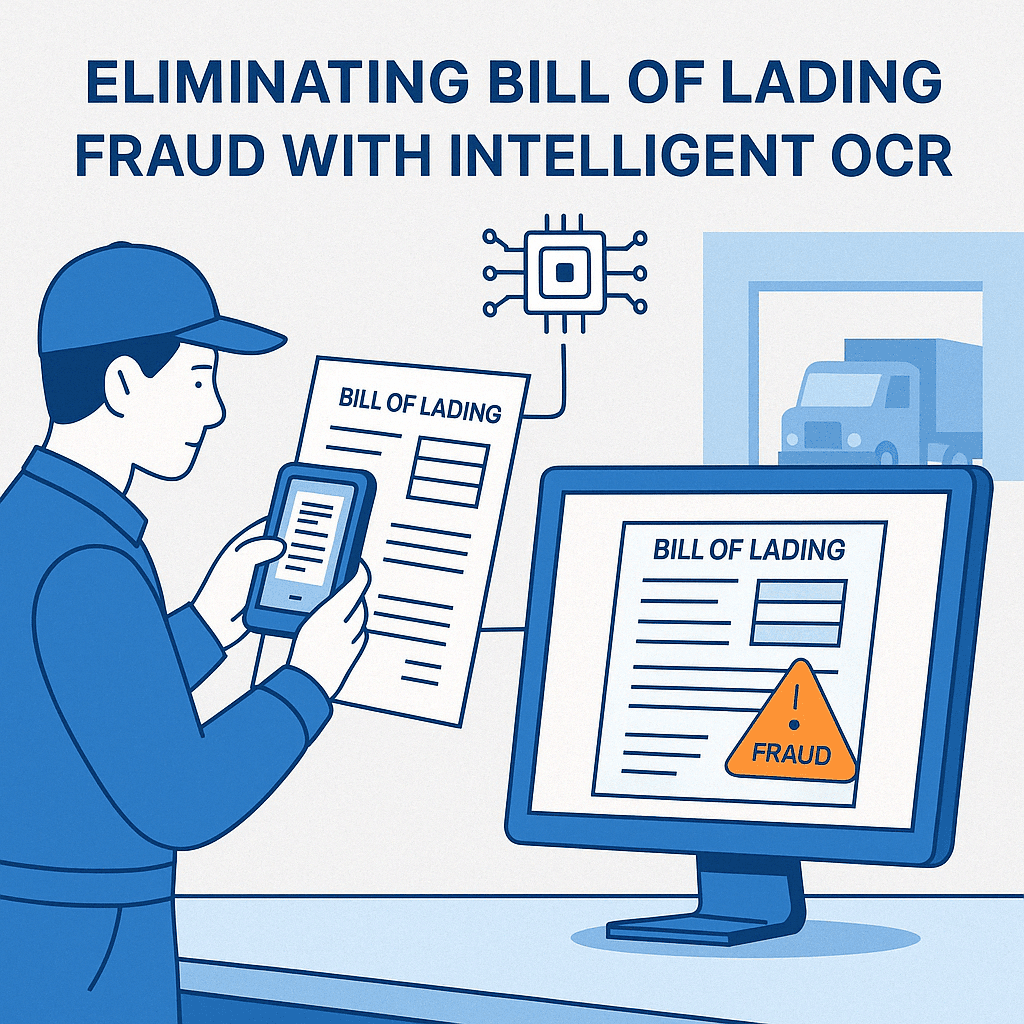
When a driver presents a paper BOL, warehouse staff use Indemni's mobile application to:
Capture the document through a simple scan
Ensure complete visibility of all fields with the app's guidance system that indicates proper positioning
Utilize the system's automatic image enhancement that improves readability of even damaged or poorly printed documents
Step 2: Automated Data Extraction and Verification
Indemni's AI-powered OCR immediately:
Extracts critical data points from the BOL (carrier information, pickup numbers, PO numbers, addresses)
Cross-references this information with scheduled pickups in connected TMS/WMS systems
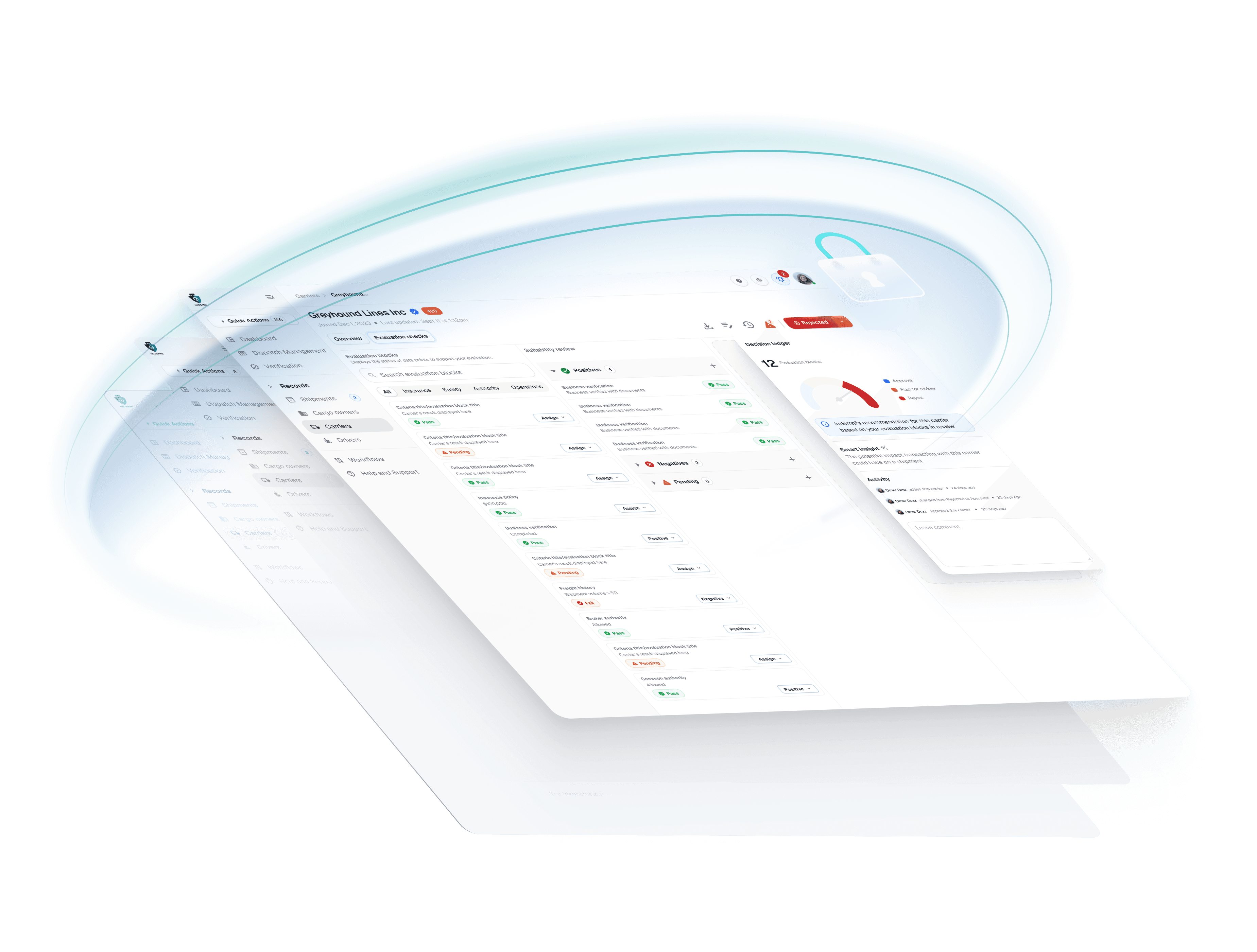
Identifies discrepancies in real-time, highlighted directly on the staff member's screen
Example: When processing a pickup for Best Buy electronics, the system instantly flags if the destination address on the presented BOL differs from the address in your system, even by a single digit—something easily missed in manual verification.
Step 3: Authentication Analysis
The system goes beyond basic data extraction to perform:
Document structure analysis that detects unauthorized formatting changes
Historical pattern matching that identifies if the BOL follows expected templates for that specific customer/carrier
Creates a tamper-proof digital record of the BOL
Stores an audit trail of all verification steps taken
When a carrier you've never worked with arrives for a high-value pickup, the system immediately escalates verification requirements rather than relying on standard processing.
Real-World Impact: From Vulnerability to Security
Warehouses implementing Indemni's intelligent OCR verification typically see dramatic security improvements within the first 90 days. The average processing time for legitimate carriers remains unchanged (typically 2-3 minutes), while suspicious documentation triggers immediate alerts. Documentation errors that previously took days to discover are now identified before cargo leaves the facility, eliminating costly recovery efforts and insurance claims.
Actionable Takeaways to Protect Your Cargo
Implement Two-Factor BOL Verification: Never rely solely on visual document inspection; use automated systems that cross-reference multiple data points.
Establish Clear Escalation Procedures: Define exactly what staff should do when the system flags suspicious documentation.
Train Loading Dock Staff: Ensure team members understand common fraud indicators even as they utilize digital verification.
Create Closed-Loop Authentication: Connect your BOL verification directly to your scheduled pickup database to automatically detect unauthorized pickup attempts.
Start with High-Value Shipments: If implementing in phases, prioritize protection for your most valuable or theft-prone cargo categories.
Ready to eliminate paper-based vulnerabilities in your logistics operations? Schedule a demonstration to see how Indemni's intelligent OCR can transform your document verification process from a security liability into a theft prevention advantage.