It’s Wednesday afternoon at your warehouse. A driver presents paperwork for a high-value electronics shipment scheduled for pickup. The Bill of Lading (BOL) looks legitimate at first glance—company letterhead, proper formatting, authorized signatures—so your dock worker processes it routinely.
Three days later, your customer calls asking about their delivery... except their shipment never arrived.
You have just become another victim of BOL fraud, a sophisticated cargo theft tactic that exploits the operational blind spots in logistics facilities that still rely on visual verification alone. As freight fraud evolves into an enterprise-level threat in 2026, relying on human eyes to spot digital forgeries is no longer a viable security strategy.
How BOL Fraud Happens: The Operational Blind Spot
BOL fraud follows a predictable but effective pattern designed to bypass traditional warehouse security protocols. Professional cargo thieves generally execute this in three steps:
- Reconnaissance: Thieves obtain legitimate BOL templates from previous loads or data breaches to create convincing forgeries.
- Timing: They arrive at loading docks during peak shift changes or lunch hours when staff are overwhelmed and rushing to clear bays.
Why Manual Verification Fails
Most facilities still rely on manual checks that are fundamentally inadequate against modern freight fraud.
- Phone Verification is Bypassed: Protocols requiring staff to call dispatchers are frequently skipped during high-volume periods.
- ELD Limitations: While ELD verification helps identify legitimate drivers, it does not validate the specific paperwork in their hands.
- Fragmented Data: Digital BOL systems exist but often operate in closed ecosystems, leaving gaps when working with new or one-off carriers.
These fragmented approaches create security gaps that sophisticated thieves easily exploit, particularly at facilities handling multiple carriers with varying documentation standards.
How Indemni checks the BOL at pickup
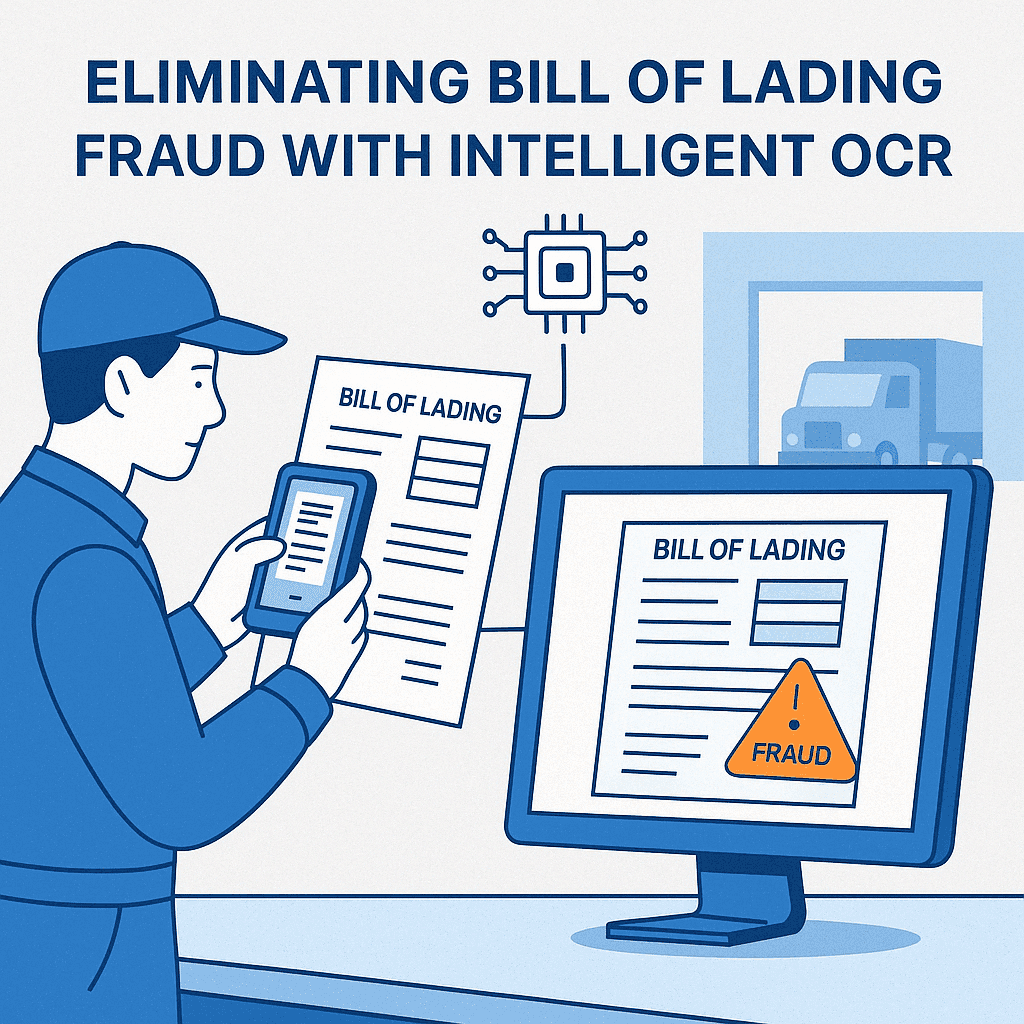
Indemni adds a bill of lading step to the driver's verification. The driver photographs the BOL, and Indemni reads it and compares it with the shipment.
Step 1: The driver photographs the BOL
The driver takes a clear photo of the bill of lading during verification. If Indemni cannot read the BOL number clearly, it asks the driver to retake the photo. After two unreadable attempts, the step goes to your team for review.
Step 2: Indemni reads the BOL and seal numbers
Indemni extracts the BOL number and the seal number from the photo. It compares the BOL number with the shipment's load ID, which can come from your connected TMS. A separate seal photo check compares the seal number with the seal recorded on the load.
Step 3: Your team sees the mismatch
When the BOL number does not match the load, the check fails and Indemni emails your company. Your team can review the photo and the result before the freight is released.
Actionable Takeaways to Protect Your Cargo
- Implement Two-Factor Verification: Never rely solely on visual inspection. Use systems that cross-reference physical paper against digital schedules.
- Train Dock Staff: Ensure team members understand common fraud indicators (like burner phones or mismatched fonts) even when using digital tools.
- Create Closed-Loop Authentication: Connect your BOL verification directly to your pickup database to automatically detect unauthorized attempts.
- Start with High-Value Shipments: If rolling out new tech, prioritize bays handling theft-prone categories like electronics or copper.
Ready to eliminate paper-based vulnerabilities?
Book a demo to see the BOL check on a sample shipment.