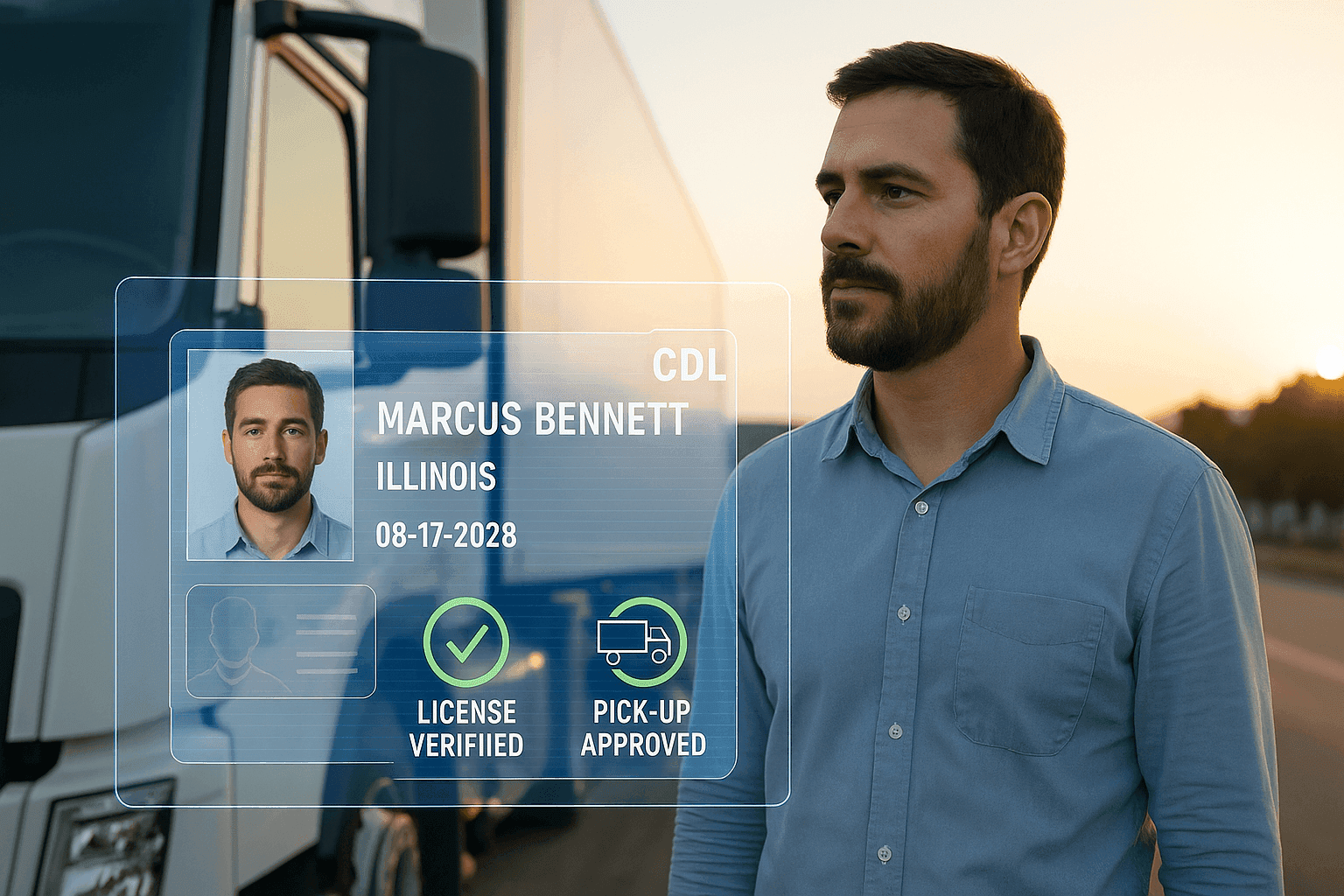
In response to several fatal crashes and a nationwide audit that uncovered widespread licensing irregularities, the U.S. Department of Transportation (DoT) has implemented sweeping restrictions on who can hold a Commercial Driver’s License (CDL).
The new rules target non-domiciled CDL holders—largely non-U.S. citizens with temporary immigration status—and are having a significant impact across the freight and logistics industry.
This post breaks down what’s happening, who is affected, and how risk management platforms like Indemni can help brokers and shippers stay compliant in this shifting regulatory landscape.
Why the Crackdown Now?
In 2025, a series of deadly truck accidents drew national scrutiny to the licensing process.
- The Repeat Failure Case: One accident involved a driver who had failed the CDL test 10 times before finally receiving a license, only to cause a crash that killed three people.
- The Asylum Seeker Case: Another high-profile tragedy in California involved a recently licensed asylum seeker behind the wheel.
Amid growing public pressure, the DoT launched a federal audit that found six states—including California, Texas, and New Jersey—had issued thousands of non-domiciled CDLs in violation of federal rules. In some cases, licenses were granted to individuals without valid work authorization or allowed to remain active long after a visa had expired.
Officials have labeled this a “two-front crisis” threatening both public safety and the integrity of commercial licensing.
Who Can (and Can’t) Drive Under the New Rules
The emergency rule, issued in September 2025, dramatically limits who is eligible to hold a CDL unless they are a U.S. citizen or permanent resident.
✅ Still Eligible
- Foreign workers on short-term H-2A (agricultural), H-2B (non-agricultural), or E-2 (treaty investor) visas.
- Canadian and Mexican drivers, under longstanding international reciprocity agreements .
❌ Now Ineligible
- DACA recipients , asylum seekers, refugees, and TPS holders.
- Anyone whose immigration status is not directly employment-based.
- Drivers with expired visas or work permits.
Even drivers who have safely operated trucks for over a decade—including many who arrived as minors or through humanitarian programs—are now barred from renewing or holding CDLs unless they fall into the narrow visa exceptions. The FMCSA estimates nearly 200,000 commercial drivers will be affected.
State-Level Failures and the “No Name Given” Controversy
The audit revealed major compliance issues in several states:
- California: Issued CDLs valid until 2030 for drivers whose immigration documents expired in 2026.
- Texas & South Dakota: Found to have loose expiration and identity matching procedures.
- New Jersey: Criticized for previously allowing fraudulent testing schemes.
A particularly viral case involved a CDL issued in New York to an Indian national named “Anmol.” Because he has only one legal name, his license displayed “No Name Given Anmol,” sparking outrage and claims of identity fraud. While the license was legitimate (and the field was a standardized placeholder), the optics fueled public distrust and added momentum to the crackdown.
What This Means for Brokers, Shippers, and 3PLs
For logistics stakeholders, the fallout is immediate:
- Reduced Driver Pool: With 200,000 drivers at risk, capacity constraints could tighten—particularly in markets relying on immigrant labor.
- Increased Liability: If a broker contracts a driver whose CDL is later found invalid due to immigration status, they could face legal or insurance consequences.
- Stricter Shipper Requirements: Major freight clients (reportedly including the USPS ) are blocking the use of non-domiciled drivers altogether.
How Indemni Helps: Real-Time CDL & Domicile Verification
With compliance risks rising, brokers and shippers need a solution that automatically verifies driver eligibility before a load is assigned.
Indemni validates the legitimacy of any CDL in real-time, checking:
- Is the license active, suspended, or expired ?
- Do the driver’s name and credentials match government databases?
- Is the license domiciled or non-domiciled ?
If a driver’s CDL is no longer valid, or if their domiciled status raises compliance flags, Indemni can block them from being assigned a load—preventing exposure to regulatory fines or denied insurance claims.
Final Thoughts
The CDL crackdown marks a major shift in federal regulation. While framed around safety, it creates substantial disruption for the industry.
For brokers and shippers, the takeaway is clear: Know who is behind the wheel. Verifying license validity and domicile status is no longer optional—it is central to staying compliant.
Need to verify your driver pool?
Schedule a Demo to see how Indemni automates CDL and domicile checks to keep your operations compliant.